
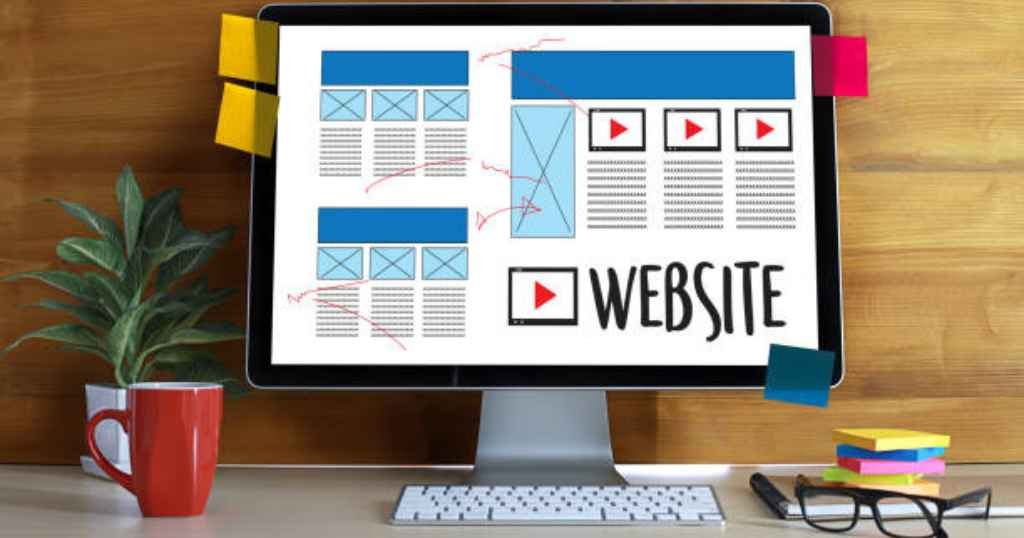
A website is more than just a digital presence—it’s often the first interaction potential customers have with your business. In today’s competitive online landscape, simply having a website isn’t enough. Businesses need a high-converting website that not only attracts visitors but also encourages them to take meaningful actions, whether that’s making a purchase, filling out a contact form, subscribing to a newsletter, or requesting a consultation.
A high-converting website combines attractive design, intuitive navigation, compelling content, fast performance, and effective calls-to-action to transform visitors into loyal customers. Every element of the website is carefully optimized to guide users toward completing desired goals while delivering an exceptional browsing experience.
Whether you’re a startup, an established business, or an e-commerce brand, investing in a high-converting website can significantly improve lead generation, customer engagement, and long-term profitability.
This guide explores the key features, benefits, and strategies that make a website a powerful business growth tool.
What Is a High-Converting Website?
A high-converting website is designed with one primary objective: encouraging visitors to complete specific actions that support business goals.
These actions may include:
- Purchasing products
- Booking appointments
- Requesting quotes
- Downloading resources
- Contacting the business
- Signing up for newsletters
- Registering for events
Unlike websites focused solely on appearance, conversion-focused websites prioritize user experience, functionality, and measurable business results.
Why Website Conversions Matter
Website traffic alone doesn’t guarantee success. Thousands of visitors mean little if they leave without engaging with your business.
High conversion rates help businesses:
- Generate more qualified leads
- Increase online sales
- Improve return on marketing investment
- Strengthen customer relationships
- Build brand credibility
- Lower customer acquisition costs
A website optimized for conversions ensures every visitor has a better opportunity to become a customer.
Key Elements of a High-Converting Website
User-Friendly Design
First impressions matter. Visitors decide within seconds whether they’ll continue browsing.
An effective website should include:
- Clean layouts
- Consistent branding
- Easy navigation
- Clear typography
- Mobile responsiveness
- Professional visuals
Simple, intuitive designs improve user confidence and encourage deeper engagement.
Fast Loading Speed
Website speed directly impacts user satisfaction. Slow-loading pages often lead visitors to abandon the site before exploring its content.
Fast websites provide:
- Better user experience
- Lower bounce rates
- Improved search rankings
- Higher conversion rates
Optimizing images, minimizing unnecessary scripts, and using reliable hosting contribute to faster performance.
Mobile Responsiveness
Most users now browse websites using smartphones and tablets. A responsive website automatically adjusts to different screen sizes, ensuring visitors enjoy a consistent experience across all devices.
Mobile optimization also supports stronger SEO performance.
Clear Calls-to-Action (CTAs)
Every page should guide visitors toward a desired action.
Effective CTAs include:
- Contact Us
- Request a Quote
- Book a Consultation
- Start Today
- Download Now
- Shop Now
Strategically placed CTAs help improve conversions without overwhelming users.
High-Quality Content
Content builds trust and demonstrates expertise. A conversion-focused website includes valuable information that addresses customer needs while highlighting products or services naturally.
Useful content may include:
- Blog articles
- Service pages
- Case studies
- Testimonials
- FAQs
- Industry insights
Relevant content also improves search engine visibility.
Search Engine Optimization (SEO)
A beautiful website delivers limited value if customers cannot find it.
SEO helps improve visibility by optimizing:
- Keywords
- Page titles
- Meta descriptions
- Internal linking
- Image optimization
- Technical performance
Higher search rankings generate more qualified traffic.
Benefits of a High-Converting Website
Increased Lead Generation
Optimized landing pages and clear contact forms encourage visitors to inquire about products or services. Better lead generation creates more business opportunities.
Higher Sales
Well-designed product pages, simplified checkout processes, and persuasive content encourage purchasing decisions. Even small conversion improvements can significantly increase revenue.
Improved Customer Trust
Professional websites build credibility. Visitors are more likely to trust businesses that present consistent branding, accurate information, and polished designs.
Better Marketing Performance
Digital advertising, social media campaigns, and SEO efforts become more effective when visitors arrive on optimized landing pages. Higher conversion rates improve marketing ROI.
Lower Bounce Rates
Engaging layouts, fast performance, and relevant content encourage visitors to explore additional pages rather than leaving immediately.
Long-Term Business Growth
A conversion-focused website continues generating leads and customers around the clock, supporting sustainable business growth.
Essential Features Every High-Converting Website Should Include
Successful websites often share several important characteristics.
These include:
- Responsive design
- Secure HTTPS connection
- Fast loading speed
- Simple navigation
- Clear contact information
- Customer testimonials
- Trust badges
- Optimized forms
- Professional images
- Strong calls-to-action
Together, these elements create a seamless user experience.
The Role of UX in Website Conversions
User experience (UX) influences every visitor interaction.
Good UX focuses on making websites:
- Easy to navigate
- Fast to load
- Accessible
- Visually appealing
- Informative
- Simple to use
When visitors find information quickly and complete actions effortlessly, conversions naturally improve.
Why Content Drives Conversions
Content is often the deciding factor between gaining or losing a customer.
Helpful content answers questions, solves problems, and demonstrates expertise.
Businesses can increase conversions through:
- Educational blogs
- Product guides
- Video content
- Customer success stories
- Service explanations
- Industry resources
Content marketing supports both SEO and customer trust.
Common Mistakes That Reduce Website Conversions
Many businesses unintentionally create barriers for users.
Common mistakes include:
- Slow-loading pages
- Confusing navigation
- Weak calls-to-action
- Outdated design
- Poor mobile experience
- Too many pop-ups
- Complicated forms
- Inconsistent branding
Identifying and correcting these issues can significantly improve website performance.
Measuring Website Success
Continuous improvement requires tracking performance.
Important metrics include:
- Conversion rate
- Bounce rate
- Average session duration
- Page views
- Lead submissions
- Sales conversions
- Click-through rates
- Mobile performance
Regular analysis helps businesses refine their websites over time.
Why Professional Website Development Matters
Professional developers understand how design, functionality, SEO, and user experience work together.
A professionally developed website provides:
- Better security
- Faster performance
- Scalable architecture
- Improved SEO
- Reliable functionality
- Stronger brand presentation
Investing in professional development creates a stronger foundation for digital growth.
Future Trends in High-Converting Websites
Website technology continues evolving rapidly.
Emerging trends include:
- AI-powered personalization
- Voice search optimization
- Interactive user experiences
- Advanced analytics
- Personalized recommendations
- Enhanced accessibility
- Improved website security
Businesses that embrace innovation remain competitive in an increasingly digital marketplace.
Why Choose a Digital Agency for Website Development?
Building a high-converting website requires expertise across multiple disciplines.
Professional agencies provide:
- Strategic planning
- UX/UI design
- SEO optimization
- Responsive development
- Performance optimization
- Ongoing maintenance
Working with experienced professionals allows businesses to focus on growth while ensuring their website performs at its best.
How Does Website Navigation Influence Conversions?
Website navigation plays a crucial role in guiding visitors toward the information they need. A clear, intuitive menu structure helps users explore products, services, and resources without frustration. When visitors can easily find what they’re looking for, they are more likely to stay longer, engage with content, and complete desired actions. Simplified navigation also improves the overall user experience, reduces bounce rates, and supports stronger search engine optimization by making website pages easier to crawl and index.
Why Is Trust a Key Factor in Website Conversions?
Trust is one of the biggest influences on a visitor’s decision to do business with a company online. A high-converting website builds credibility through professional design, secure HTTPS connections, customer testimonials, client logos, certifications, and transparent business information. Displaying authentic reviews, clear contact details, and privacy policies reassures visitors that they are dealing with a reliable business. Establishing trust encourages users to share their information, make purchases, or request services with greater confidence.
How Can Landing Pages Increase Conversion Rates?
Dedicated landing pages are designed with a single objective, such as generating leads or promoting a specific service. Unlike general web pages, they eliminate unnecessary distractions and focus visitors on completing one clear action. Effective landing pages include compelling headlines, persuasive content, engaging visuals, and strong calls-to-action. By aligning the page with a specific marketing campaign or customer need, businesses can significantly improve conversion rates and maximize the return on their digital marketing efforts.
What Role Does Ongoing Website Optimization Play?
Launching a website is only the beginning of its journey. Regular optimization ensures that the website continues to perform effectively as customer expectations and search engine algorithms evolve. Businesses should continuously analyze visitor behavior, test different call-to-action buttons, improve page speed, refresh content, and update design elements. Ongoing improvements help maintain high conversion rates while ensuring the website remains competitive in an ever-changing digital landscape.
Why Is a High-Converting Website a Long-Term Business Asset?
A professionally developed, conversion-focused website continues delivering value long after its launch. It serves as a 24/7 marketing platform that attracts qualified visitors, generates leads, builds customer relationships, and supports business growth. Unlike short-term advertising campaigns, a high-converting website provides lasting returns by consistently turning traffic into opportunities. Investing in quality website development creates a strong digital foundation that helps businesses increase revenue, strengthen their online presence, and achieve sustainable success.
Frequently Asked Questions (FAQs)
Q. What is a high-converting website?
A. A high-converting website is designed to encourage visitors to take specific actions, such as making a purchase, submitting a contact form, booking a service, or signing up for a newsletter.
Q. Why is website speed important for conversions?
A. Fast-loading websites improve user experience, reduce bounce rates, support better SEO rankings, and increase the likelihood that visitors will complete desired actions.
Q. How does SEO contribute to website conversions?
A. SEO attracts qualified visitors who are actively searching for your products or services, increasing the chances of generating leads and sales.
Q. Why should businesses invest in professional website development?
A. Professional website development ensures better performance, responsive design, stronger security, optimized SEO, and an improved user experience, all of which contribute to higher conversion rates.
Conclusion
A high-converting website is one of the most valuable assets any business can have. It serves as a digital storefront, lead generation platform, marketing tool, and customer engagement hub—all in one. By combining exceptional design, responsive functionality, SEO best practices, and compelling content, businesses can transform casual visitors into loyal customers.
As online competition continues to grow, investing in a professionally developed, conversion-focused website is no longer optional—it’s essential. Businesses that prioritize user experience and continuous optimization are better positioned to increase conversions, strengthen customer relationships, and achieve sustainable long-term growth.